
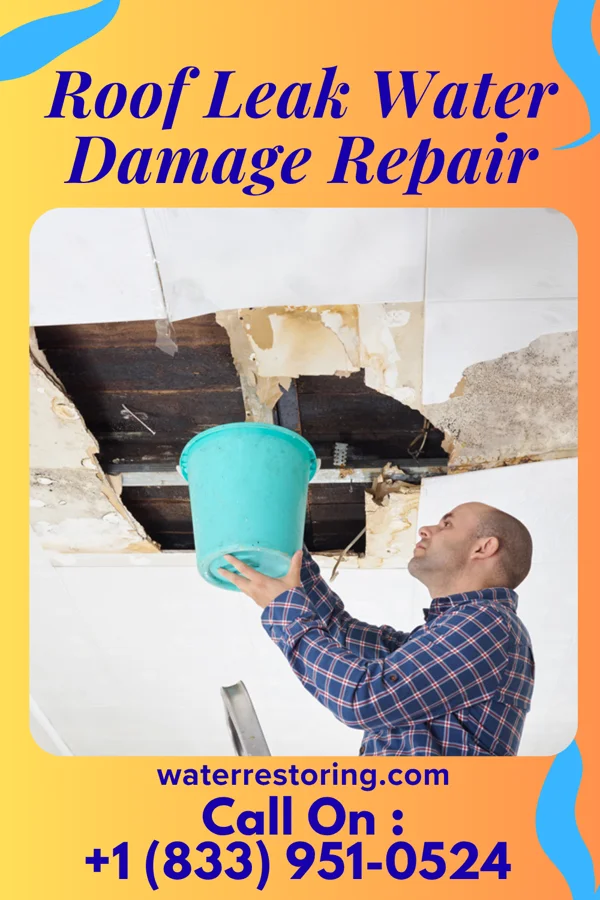
Roof Leaks Across Alton Neighborhoods
Every neighborhood in Alton has a different water damage risk profile. The one that shows up on most restoration calls is Alton, Iowa experiences frequent thunderstorms and heavy rainfall during the spring and summer months, which can lead to sudden roof leaks. The region's flat terrain and open fields allow water to accumulate quickly, increasing the risk of water infiltration through roofing materials. These weather patterns often result in sudden water damage incidents that require immediate attention.. A close second is In the fall, Alton is prone to strong winds and sudden temperature drops, which can cause roofing materials to become brittle and more susceptible to damage. Additionally, the occasional heavy snowfall in winter can add significant weight to roofs, leading to structural stress and potential leaks..
Alton's climate, characterized by hot summers and cold winters, can cause roofing materials to expand and contract, leading to cracks and gaps over time. The region's frequent storms and high humidity levels also contribute to the growth of mold and mildew, which can damage both the structure and indoor air quality.
Water damage in Alton follows a few local patterns. Alton, Iowa experiences frequent thunderstorms and heavy rainfall during the spring and summer months, which can lead to sudden roof leaks. The region's flat terrain and open fields allow water to accumulate quickly, increasing the risk of water infiltration through roofing materials. These weather patterns often result in sudden water damage incidents that require immediate attention. accounts for the bulk of our calls. Alton's climate, characterized by hot summers and cold winters, can cause roofing materials to expand and contract, leading to cracks and gaps over time. The region's frequent storms and high humidity levels also contribute to the growth of mold and mildew, which can damage both the structure and indoor air quality. Mold can begin to grow within 48 hours of water exposure in Alton, especially in the humid summer months. This risk is heightened in homes with poor ventilation or insulation, leading to potential health issues and structural damage if not addressed promptly.